
Empowering veterans to reclaim their independence and thrive in the workforce through specialized vocational rehabilitation programs.
Understanding the Unique Needs of Veterans in the Workforce
Veterans bring a wealth of skills and experience to the workforce, but many face unique challenges after service, especially those living with brain injuries or PTSD. The transition to civilian employment can be complex, as veterans may need support adapting their military-trained skills to new roles.
For veterans with brain injuries, the journey can be even more intricate. Cognitive, emotional, and physical changes may impact job performance, making tailored support essential. Recognizing these unique needs is the first step in creating an environment where veterans can thrive and contribute their strengths to the community.
Key Components of Effective Vocational Rehabilitation Programs
Effective vocational rehabilitation for veterans is built on a foundation of individualized care and whole-person support. At Sevita’s Neurorestorative programs, veterans benefit from a continuum of services, including community homes, transitional living, and group homes. These settings offer a stable environment where veterans can focus on rebuilding skills and confidence.
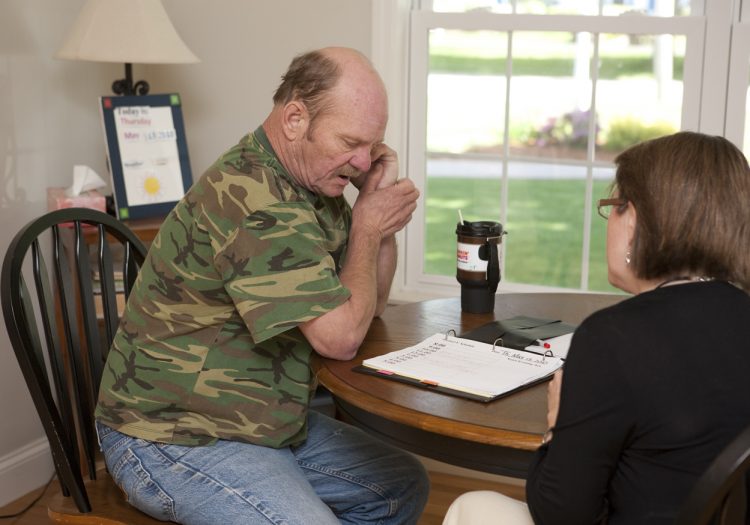
24-hour care ensures safety and consistency, while vocational support helps veterans identify suitable career paths, learn new skills, and prepare for the workforce. The integration of medical, therapeutic, and employment services is vital for addressing cognitive and physical challenges resulting from brain injuries.
Overcoming Barriers: Addressing Physical, Emotional, and Social Challenges
Veterans with brain injuries often face a range of barriers, from physical limitations to emotional and social hurdles such as anxiety, depression, or difficulty navigating social situations. Supportive living environments like those offered by Neurorestorative provide not only medical and rehabilitative care but also a sense of community and belonging.
Through peer support, therapy, and life skills training, veterans can overcome these barriers, regain independence, and build meaningful connections. Vocational programs further empower veterans by fostering resilience and equipping them for success in both work and daily life.
Collaborative Approaches: Healthcare Providers, Employers, and Community Resources
The most successful vocational rehabilitation programs are those that foster collaboration between healthcare providers, employers, and community resources. At Sevita, teams work closely with veterans to develop person-centered plans that respect individual goals and preferences.
Community partnerships ensure access to job placements, mentorship, and ongoing support. Employers are educated on the value veterans bring and receive guidance on creating inclusive, accommodating workplaces. This holistic, coordinated approach maximizes opportunities for veterans to achieve long-term employment success.
Success Stories: Inspiring Journeys of Veterans Rebuilding Their Careers
Across Neurorestorative’s programs, veterans have found hope and purpose through comprehensive support. Many have transitioned from group or transitional homes to independent living, securing jobs that align with their interests and skills.
These success stories highlight the transformative impact of specialized vocational rehabilitation—demonstrating that, with the right support, veterans can reclaim their independence, rebuild their confidence, and thrive in the workforce and beyond. For more information on our vocational rehabilitation services, click here.