
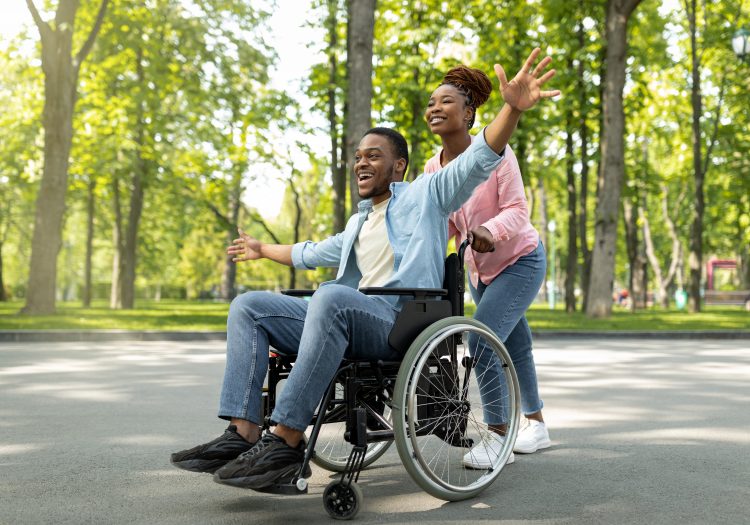
Every 40 seconds, someone in the United States experiences a stroke, but with the right support and specialized care, recovery and renewed independence are possible.
Understanding the Immediate Impact of Stroke and the Path Forward
When a stroke occurs, immediate medical attention can make the difference between recovery and lasting disability. A stroke can suddenly affect movement, speech, memory, and daily activities. A stroke happens when blood flow to part of the brain is blocked or when a blood vessel in the brain ruptures, causing brain cells to die within minutes. The effects vary greatly depending on which part of the brain is affected and how quickly treatment begins. Some individuals may experience weakness on one side of their body, difficulty speaking or understanding language, vision problems, or challenges with balance and coordination.
Understanding what happens in those first critical hours and days can help individuals and families feel more prepared and less overwhelmed. While the immediate aftermath of a stroke can be frightening, it is important to know that the brain has a remarkable ability to adapt and heal. Neuroplasticity—the brain’s capacity to form new neural connections—plays a vital role in stroke recovery. This means that with dedicated rehabilitation and support, many stroke survivors can regain lost functions and learn new ways to accomplish daily tasks.
The path forward begins with hope, rehabilitation, and the right support system. Medical professionals, specialists, and compassionate care teams, like those at NeuroRestorative, work together to evaluate each person’s unique needs and develop a personalized plan of care. Beginning rehabilitation as soon as medically possible is critical, as early intervention can greatly improve long-term outcomes and help individuals regain skills and abilities. This journey is not traveled alone—families, caregivers, and community resources all play essential roles in supporting recovery and helping individuals reclaim their independence and quality of life.
The Critical Stages of Stroke Recovery and What to Expect
Stroke recovery typically unfolds in distinct stages, each with its own characteristics and opportunities for progress.
The Acute Phase
This phase of a stroke occurs in the first few days to weeks, when medical teams focus on stabilizing the individual, preventing complications, and beginning early mobilization. During this time, healthcare professionals assess the extent of the stroke’s impact and begin planning for rehabilitation. This early stage can feel overwhelming for individuals and families, but it sets the foundation for the recovery journey ahead.
The Subacute Phase
The recovery period generally spans from two weeks to six months after the stroke and is often the period of most rapid improvement. During this stage, intensive neurorehabilitation becomes the primary focus. Individuals work with physical therapists to regain strength and mobility, occupational therapists to relearn daily living skills, and speech-language pathologists to address communication or swallowing difficulties. This is also when neuroplasticity is most active, making consistent therapy and practice especially important. Progress during this phase varies greatly from person to person, depending on stroke severity and other individual factors.
The Functional Recovery Phase
The functional recovery phase extends beyond six months and focuses on maintaining gains, continuing improvement, and adapting to any lasting effects. While recovery may slow compared to the subacute phase, meaningful progress can continue for months and even years with ongoing rehabilitation and support. During this stage, the focus shifts toward community integration, developing compensatory strategies, and maximizing independence in daily life. Understanding these stages helps individuals and families set realistic expectations while maintaining hope for continued improvement throughout the recovery journey.
Personalized Rehabilitation: Building Skills for Independence
Because no two strokes affect people in exactly the same way, personalized rehabilitation is essential to meaningful recovery. Rehabilitation professionals begin with a comprehensive assessment to identify each individual’s unique strengths, challenges, and goals. This person-centered approach allows therapy to focus on what matters most to the individual—whether that means walking independently, returning to favorite hobbies, communicating with loved ones, or performing self-care tasks. By tailoring the rehabilitation plan to each person’s unique needs and aspirations, therapists can help provide the tools to individuals to make meaningful progress toward a greater sense of quality of life.
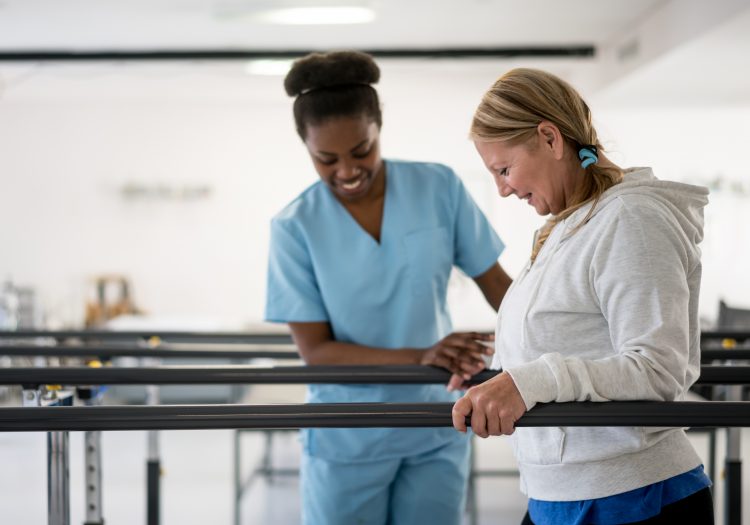
Physical therapy focuses on improving mobility, strength, balance, and coordination to help individuals move more safely and confidently. Using evidence-based techniques, physical therapists work with individuals to regain skills such as walking, transferring safely, and improving overall endurance and stability. Occupational therapy focuses on the practical skills needed for daily living, such as dressing, bathing, cooking, and managing household tasks. Therapists may also introduce adaptive equipment or teach compensatory strategies that enable individuals to accomplish tasks in new and effective ways. Speech-language pathology services support communication recovery, addressing challenges with speaking, understanding language, reading, writing, and swallowing safely. Together, these rehabilitation services play an important role in promoting independence and improving quality of life after a stroke.
The most effective rehabilitation programs integrate these therapies into a cohesive, whole-person approach that considers not just physical recovery, but also cognitive, emotional, and social well-being. Specialized stroke rehabilitation services provide the structure, expertise, and consistency needed to maximize recovery potential. By working with a dedicated team of professionals who understand the complexities of stroke recovery, individuals receive the comprehensive support they need to rebuild skills, regain confidence, and work toward greater independence in their communities. NeuroRestorative offers a wide range of supports and services for neurorehabilitation. Click here for more information on our supports and services.
The Role of Community-Based Support in Long-Term Recovery
Successful stroke recovery extends far beyond clinical therapy sessions—it takes place in the context of daily life within the community. Community-based support services play a vital role in helping stroke survivors transition from rehabilitation facilities back to their homes and neighborhoods. These services provide ongoing assistance with daily activities, medication management, and continued skill-building in real-world settings. By practicing newly learned skills in familiar environments, individuals can apply what they have learned where it matters most, making the transition smoother and more sustainable.
Community Integration
Community integration is about more than just functional recovery—it is about maintaining social connections, participating in meaningful activities, and feeling valued as a member of the community. Isolation is a significant risk for stroke survivors, particularly those facing mobility or communication challenges. Community-based programs that offer social activities, support groups, and opportunities for engagement help reduce isolation and promote emotional well-being. When individuals can continue pursuing their interests, maintaining friendships, and contributing to their communities, their overall quality of life improves significantly.
Home and Community-Based Services
Home and community-based services provide flexible, individualized support that adapts to each person’s evolving needs over time. Through options such as in-home assistance, day, day programs, or periodic assistance, these resources help stroke survivors maintain as much independence as possible while staying connected to family, friends, and the places they call home.
Long-term recovery is most effective when clinical rehabilitation is complemented by ongoing community support. Together, they create a comprehensive network of care that reinforces skills learned in therapy, promotes lasting independence, and well-being.
Click here for more information on our day, vocational, home, and community supports and services.
Empowering Families and Caregivers Throughout the Recovery Journey
Family members and caregivers are essential partners in stroke recovery, yet they often face their own challenges as they navigate this new role. The sudden nature of a stroke can leave families feeling unprepared and overwhelmed by the responsibilities of caregiving. Providing education, resources, and support to caregivers is not just helpful—it is essential to the stroke survivor’s recovery and the family’s overall well-being. When caregivers understand what to expect, how to assist with therapy exercises at home, and how to recognize signs of complications, they become more confident and effective in their supportive role.
Caregiving can be physically and emotionally demanding, and family members need to have access to respite care, support groups, and counseling services. Taking care of one’s own health and well-being is not selfish—it is necessary for sustaining the energy and resilience needed for long-term caregiving. Many families benefit from connecting with other stroke caregivers who understand the unique challenges they face. These connections provide practical advice, emotional support, and the reassurance that they are not alone in this journey.
Empowering families means involving them in the rehabilitation planning process, respecting their insight into their loved one’s needs and equipping them with the tools and resources they need to support recovery at home. Professional care teams play an important role in this process by educating and supporting families and building collaborative partnerships that improve outcomes for everyone. d. When families feel supported, informed, and valued, they are better equipped to help their loved ones navigate the recovery journey with hope, patience, and compassion. Together, with the right support and specialized care, stroke survivors and their families can work toward renewed independence and a meaningful life in their communities.
Our NeuroRestorative care team is here to help you through every stage of the healing journey. To learn more about how we can help, call 800-743-6802 or to learn more about us visit our website.