A traumatic brain injury (TBI) doesn't just affect a person’s health—it can ripple out and touch every single corner of their life. For Richard Alexander "Alex" Croley, the impact was all-encompassing.
“It eventually took away my job, my house, my life,” Alex shares. Following his injury, Alex found himself living in a nursing home. He felt isolated, completely cut off from the world, and far too young for a nursing facility. His self-esteem had hit rock bottom.
But Alex’s story didn’t end there. It took a pivotal turn when he entered the residential program at our NeuroRestorative Louisville, KY, program.
Moving Therapy into the Real World
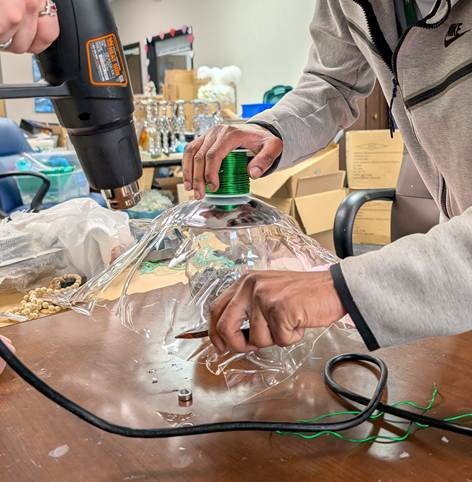
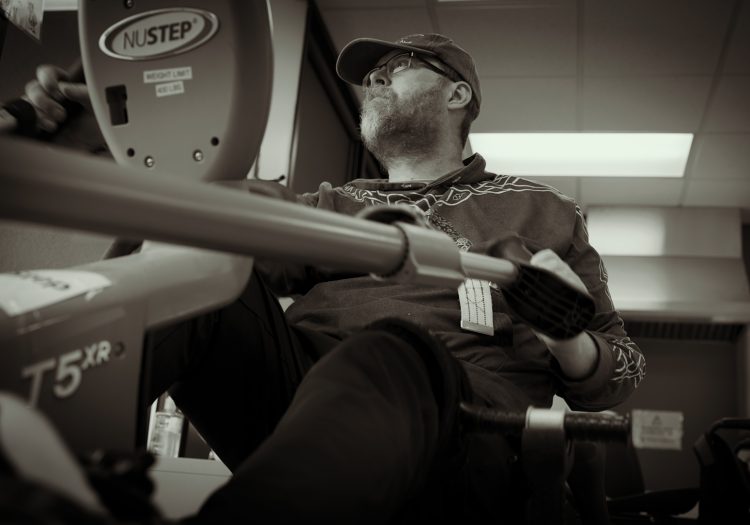
Unlike traditional, hospital-based rehabilitation, NeuroRestorative treats individuals within a community and residential setting. This allows a multidisciplinary team—including occupational therapy physical therapy speech therapy, adult day training, counseling, and behavioral services—to work in unison.
By practicing in a real-world environment, Alex wasn’t just doing exercises in a clinical room; he was learning how to navigate everyday life, practice decision-making, and problem-solve alongside peers.
As one of his care providers beautifully put it: “Instead of focusing on the block, we need to look and we need to find the detour that makes Alex still be able to get to his final destination”
The Turning Point: Hope by the Riverfront
Reclaiming independence is built on small milestones that feel monumental. For Alex, a favorite memory was visiting the riverfront in Louisville, Kentucky.
Standing there, looking out at the bridges, he recalls a feeling he hadn’t experienced in a very long time: “I never felt so much alive… and just felt free. It gave me hope. It gave me strength to push forward, and it gave me a lot to build on.”
Shattering Misconceptions About Brain Injuries
Alex’s journey highlights an important truth that his care team emphasizes: brain injuries are not all the same, and they do not define a person’s intelligence.
A common misconception is that a TBI reduces a person’s intellect. In reality, survivors like Alex remain highly intelligent; they have to learn how to process information or navigate the world differently. The mindset shifts from “I can’t” to “How can I?”
Alex’s Advice: “Put Your Clothes On, Do the Work”
Today, Alex looks in the mirror and feels proud of the person looking back at him. His self-esteem has completely rebuilt itself, a triumph he credits directly to his dedicated support system at NeuroRestorative.
For anyone else facing a long road to recovery, Alex offers some incredibly candid advice:
Put your clothes on. Do the work. This doesn’t happen in a vacuum. There’s no magic wand; there’s no fairy godmother. You put in the work. The more work you put in, the more you will get out of it. And it will take a while. It will take hard work, and it will take dedication.
Recovery is a marathon, not a sprint. But with the right community, integrated support system, and unwavering personal dedication, survivors can reclaim what matters most to them and get back into their community. For Alex, NeuroRestorative gave him the ultimate gift: “You treated me like an adult, and you gave me the one thing that nobody else was able to give me: dignity.”
To watch Alex share his journey in his own words, check out the full video on YouTube: Alex Croley’s Story of Strength.